Bloomsbury · London
University College London Hospitals NHS Foundation Trust
UCLH sits at the heart of the UCL research estate and includes the National Hospital for Neurology and Neurosurgery at Queen Square, the UK's largest dedicated neurosciences hospital.
About this hospital
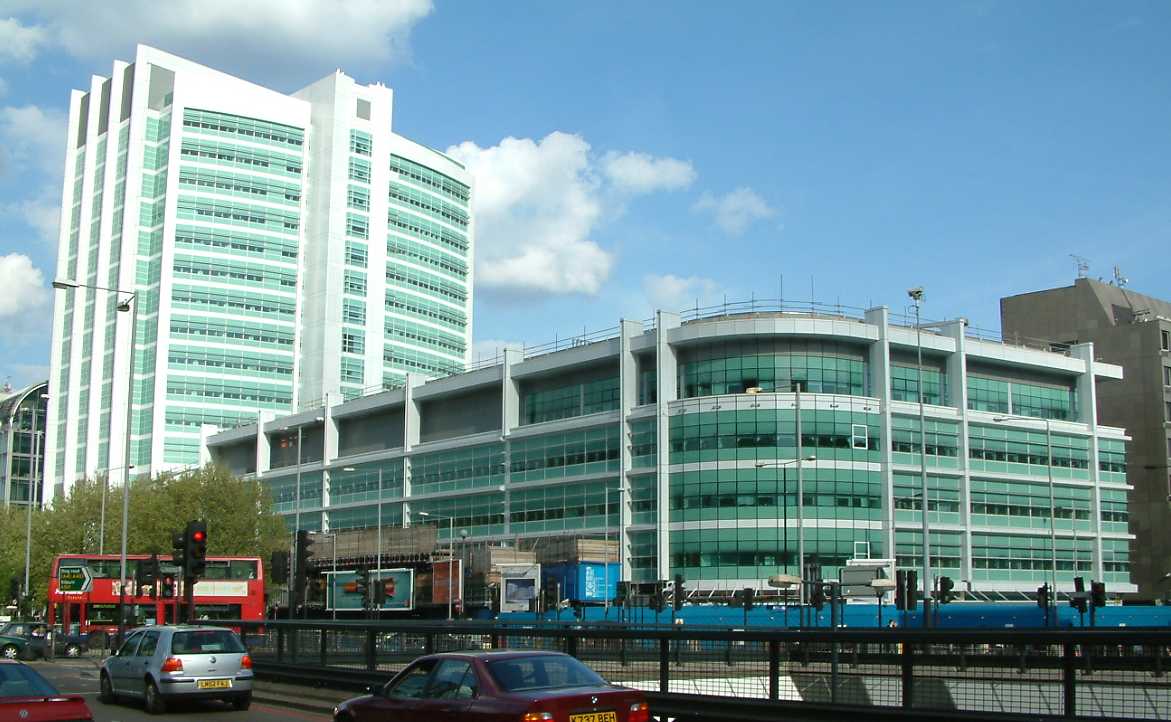
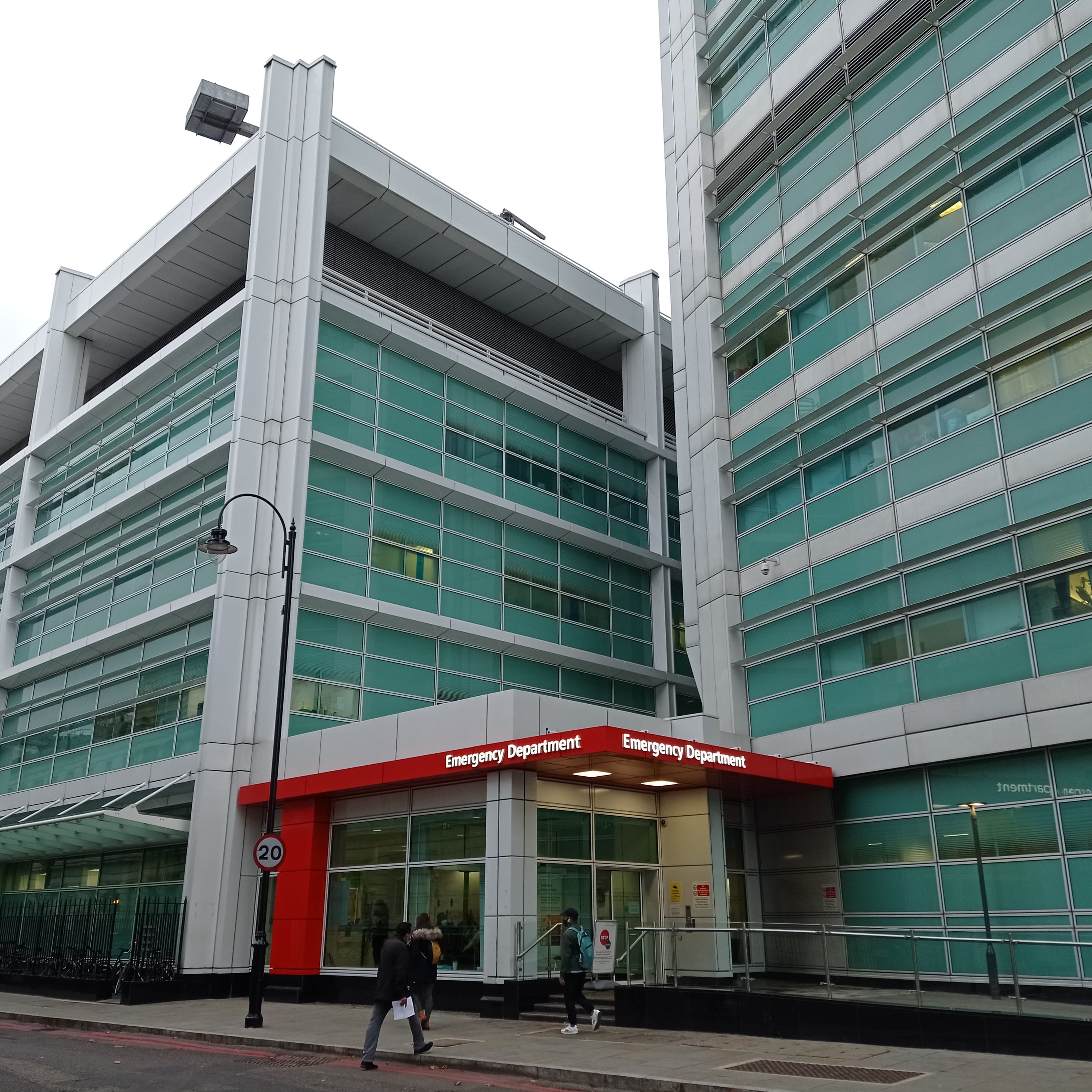
UCLH is one of the largest NHS trusts in the UK, anchored on Euston Road in Bloomsbury. The trust runs multiple sites: the main University College Hospital tower on Euston Road, the National Hospital for Neurology and Neurosurgery at Queen Square, the Royal National ENT and Eastman Dental Hospitals on Huntley Street, the Hospital for Tropical Diseases at Mortimer Market, the UCH Macmillan Cancer Centre, and several others. It is the teaching trust for UCL Medical School. Around 11,000 staff across the trust; over 100,000 inpatient admissions and over 1 million outpatient appointments a year. Well known for neurology and neurosurgery (the National Hospital for Neurology and Neurosurgery is the UK's largest dedicated neurological and neurosurgical hospital), oncology, tropical and infectious diseases, and women's health.
What it's like as a student here
The firms here are highly specialised: a week on the neurology firm means proton-beam discussions, MS infusion clinics, and the stroke thrombectomy pathway. Tropical medicine runs out of the Hospital for Tropical Diseases at Mortimer Market (off Tottenham Court Road) and is the national referral centre for returning travellers with fever. Ward rounds start between 8am and 9am depending on the team, and clinics run most afternoons. The academic culture is strong; you'll often meet clinicians who are also UCL researchers, and grand rounds or case conferences usually have a research or publication angle. Students rotate between buildings, which means lots of walking but also exposure to very different environments in the same placement. The Macmillan Cancer Centre is purpose-built and feels like a modern outpatient hospital; the main tower feels like a 2000s acute teaching hospital; Queen Square is Victorian and proudly so. Teaching is generally formal: structured bedside, case-based discussions, and consultant-led tutorials.
Notable specialties
- Neurology: National Hospital for Neurology and Neurosurgery at Queen Square; MS, movement disorders, epilepsy.
- Neurosurgery: co-located with neurology at Queen Square; cranial and spinal lists daily.
- Oncology: Macmillan Cancer Centre; full SACT service, clinical trials, specialist tumour MDTs.
- Infectious diseases and tropical medicine: Hospital for Tropical Diseases is the national referral centre.
- Women's health: Elizabeth Garrett Anderson Wing; obstetrics, gynaecology, and neonatal services.
- Proton beam therapy: one of two NHS centres in England (the other is The Christie in Manchester).
- General internal medicine: acute medical take, strong teaching culture.
- Haematology: including stem cell transplant and lymphoma service.
Location & vibe
Bloomsbury is the university quarter of London: quiet squares, bookshops, reading rooms. Students are everywhere and so is affordable food (reasonably). Warren Street, Euston Square, and Goodge Street stations all serve the main site within a five-minute walk. Rents in Bloomsbury are high but UCL halls, University of London halls, and short-term lets in Camden, King's Cross, and Fitzrovia are within walking distance. Easy commute from most of central and north London.
Who does well here
Academic students and students interested in specialist medicine. If you want neurology, oncology, or infectious disease exposure with a research edge, UCLH is as good as it gets in London.
One honest caveat
The trust is spread across several buildings; expect to walk 15 minutes between sites at least once a day.
Fully booked (current cycle)